

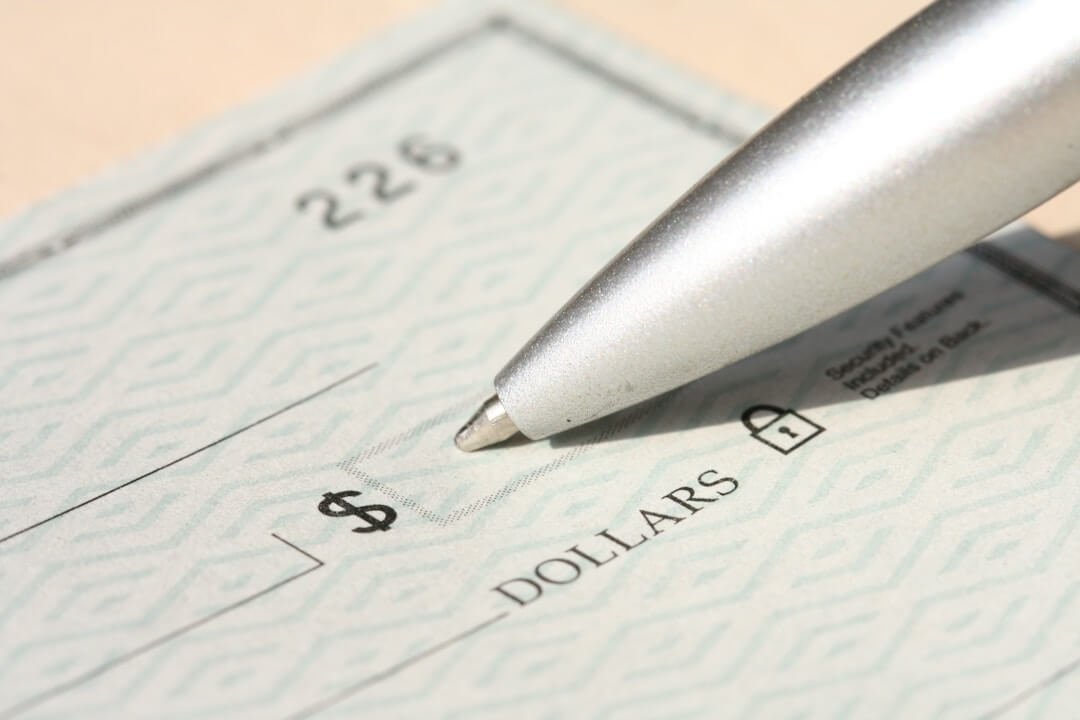
Checks are a traditional form of payment that carries the risk of fraud and theft. According to the American Bankers Association, check fraud accounted for 47% of bank deposit account fraud losses in 2020. With such significant threats lurking, taking measures to protect financial transactions is more important than ever. Secure cheque printing offers a reliable way to fortify the defenses against these vulnerabilities.
High-security cheque printing utilizes advanced technologies and features to mitigate risks associated with check fraud. By understanding the components and benefits of secure cheque printing, individuals and businesses can ensure the protection of their financial resources. Below, we dissect the intricacies of this critical safeguarding method.
Secure Cheque Printing Explained
Secure cheque printing refers to the process of producing checks with various safety features to prevent unauthorized use and counterfeiting. Typically, this includes the integration of complex designs, special inks, and watermarks that are difficult to replicate. It aims to make the illegal reproduction or alteration of checks a highly complicated task for fraudsters.
Standard checks might lack these sophisticated protections, offering minimal defense against forgery. Secure cheque printing, on the other hand, often involves controlled access to special printers and printing methods. This restricted access guarantees that only authorized personnel can print cheques securely, thus maintaining tight control over the production of checks.
For individuals and businesses looking to employ secure cheque printing, a critical first step is to source high-security check paper and partner with a reputable printing service. Ensuring that the provider uses up-to-date security measures is essential for effective fraud prevention.
Enhanced Security Features in Cheque Printing
In the realm of secure cheque printing, several enhanced security features are key to protecting financial transactions. Features such as microprinting, holograms, and thermochromic ink are often employed to create a line of defense that is virtually impregnable to counterfeiters.
Microprinting, for example, involves the use of tiny text that appears as a dotted line to the naked eye but reveals legible letters under magnification. Holograms, another advanced feature, are extremely difficult to replicate and serve as a visible sign of authenticity. Additionally, thermochromic ink changes color with changes in temperature, providing a quick and easy way to verify a check’s legitimacy.
When selecting cheque printing services, it’s important to inquire about the specific security features they offer. Prioritizing those that provide a comprehensive suite of enhanced security measures can elevate the safety of your financial instruments to new heights.
How Secure Cheque Printing Protects Against Fraud
The meticulous designs and covert security measures built into secure cheques provide formidable protection against fraud. By deterring alteration and duplication, such checks create an environment where fraudulent activity is far less likely to succeed.
Security features can aid in the rapid detection of counterfeit checks. Many financial institutions are equipped with verification systems that can immediately recognize the security elements inherent in secure cheques. An absence of these features, or any inconsistencies, sets off red flags prompting further investigation.
For those concerned about the integrity of their financial transactions, adopting secure cheque printing is a proactive step. Regular reviews of banking statements can complement this initiative, catching any potential fraudulent activity at its onset and preventing significant financial loss.
Best Practices for Implementing Secure Cheque Printing Systems
To maximize the efficacy of secure cheque printing, it’s important to adhere to best practices in both the purchasing and handling of checks. Selecting high-quality, security-enhanced check stock from trusted suppliers is the foundation of a robust cheque security strategy.
Control over the check printing process is just as critical. Implementing stringent policies for who can print checks and when helps prevent internal abuse. Companion measures, such as regular audits and inventory control of check stock, further tighten the loop on security.
Keeping abreast of evolving fraud techniques and continuously updating security features can ensure that an organization’s secure cheque printing practices don’t become obsolete. Employee training on recognizing signs of check tampering or fraud can also play a vital role in maintaining financial security.
Ultimately, secure cheque printing is an essential tool in the fight against financial fraud. With the threats of check fraud looming large, this method provides a defense system that not only deters but actively combats illicit attempts to compromise one’s finances. Implementing the outlined best practices, alongside ongoing vigilance, will help ensure that the sanctity of your transactions remains intact.



