

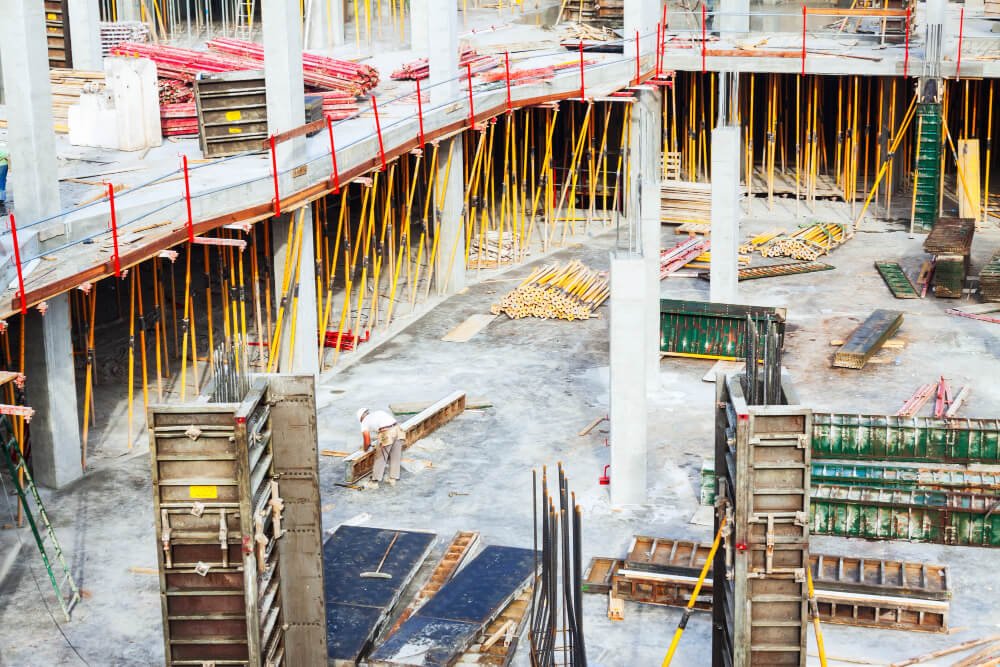
Ground preparation makes for a secure foundation for major construction projects. It offers the strength and durability that is necessary for carrying heavy structures. These vital materials enable structures such as buildings and bridges, as well as other large-scale developments, to stand strong, resist various environmental forces, and ultimately preserve lives.
Vital Role of Foundation Products
Foundation products are the essential building blocks for every major construction project. Nucor Skyline products encompass a range of foundation materials, including concrete, steel reinforcements, piles, and geotextiles. Each serves a unique function in terms of load distribution and root-anchoring into the ground. No matter how well-designed your building is, if you do not have a solid foundation under it, you risk your project settling or, worse, collapsing.
Types of Foundation Products Used
Construction professionals select from a variety of foundation products based on the needs of their projects. The most common foundation material used in construction is concrete. Most professionals use it because it has the strength and versatility to cope with different types of soil. Steel reinforcements (bars or mesh) provide added strength and ductility. Piles, which are composed of steel, concrete, or timber, transfer loads into deep soil layers of sufficient strength. Geotextiles are synthetic fabrics that help to stabilize soil and improve water drainage near foundations.
Ensuring Stability and Safety
Safety has always been an overarching concern in any big construction project. Engineers use foundation products to evenly distribute a structure’s load and prevent uneven settlement of the home. These materials keep buildings grounded to stabilized earth, minimizing the risk of shifting or tilting. Engineers take soil and load properties into consideration when determining the type and quantity of materials to be used. Planning properly reduces the risk of structural failure.
Supporting Heavy Loads
Giant edifices, bridges, and factories exert tremendous forces on the ground. The uniform distribution of these heavy loads reduces the weight at any specific point. Even pressure distribution will prevent cracks or other damage that could compromise the structure. Piles and reinforcements are essential for ensuring that the tallest skyscrapers remain stable, even during extreme weather and seismic events.
Adjusting to Different Soil Conditions
Soil is one of the most fluctuating factors at construction sites. Foundation products have to work with sandy soil, rocky soil, or clay soil. Engineers do a soil test to select the right materials for building a foundation. For soft soils, they may dig deep into the ground, while for rocky areas, a reinforced concrete slab spreads weight over wide surfaces. Geotextiles facilitate drainage and stability, allowing even the most difficult sites to be developed safely.
Preventing Long-Term Damage
Foundation products must be reliable, ensuring they are moisture-proof, erosion-resistant, and capable of withstanding ground movement. Engineers select concrete and steel reinforcements for their strength and resistance to corrosion. Additionally, geotextiles enhance water protection, stabilizing the soil around foundations. These materials help prevent early deterioration, prolonging the structure’s lifespan and reducing repair expenses throughout the building’s life.
Meeting Environmental and Structural Standards
Buildings must adhere to the safety and environmental regulations of the state in which they are being constructed. Standards guarantee that foundation products are created with safety and sustainability in mind. Consequently, engineers prioritize environmentally friendly materials that comply with performance and durability requirements. Numerous products are designed with recycled materials or other sustainable additives to encourage responsible construction methods.
Innovations in Foundation Technology
The latest advancements have made the performance of foundation products better. For difficult projects, high-strength concrete and corrosion-resistant steel will be firmer. The use of prefabricated foundation elements speeds up installation, thereby saving time and labor. Therefore, to support safe construction, new geotextile designs with increased stability and drainage are available. This evolution enables projects to meet modern standards for safety, efficiency, and sustainability.
Conclusion
A strong foundation is essential for any major construction project, providing the necessary support for the entire structure. By carefully selecting and utilizing materials, engineers can effectively address challenges posed by varying soil types, heavy loads, and environmental factors. As technology advances, foundation products continue to improve, enabling the design of larger and more intricate buildings with confidence. A well-constructed foundation ensures that each project remains durable and functional for future generations, standing resilient against the test of time.



