

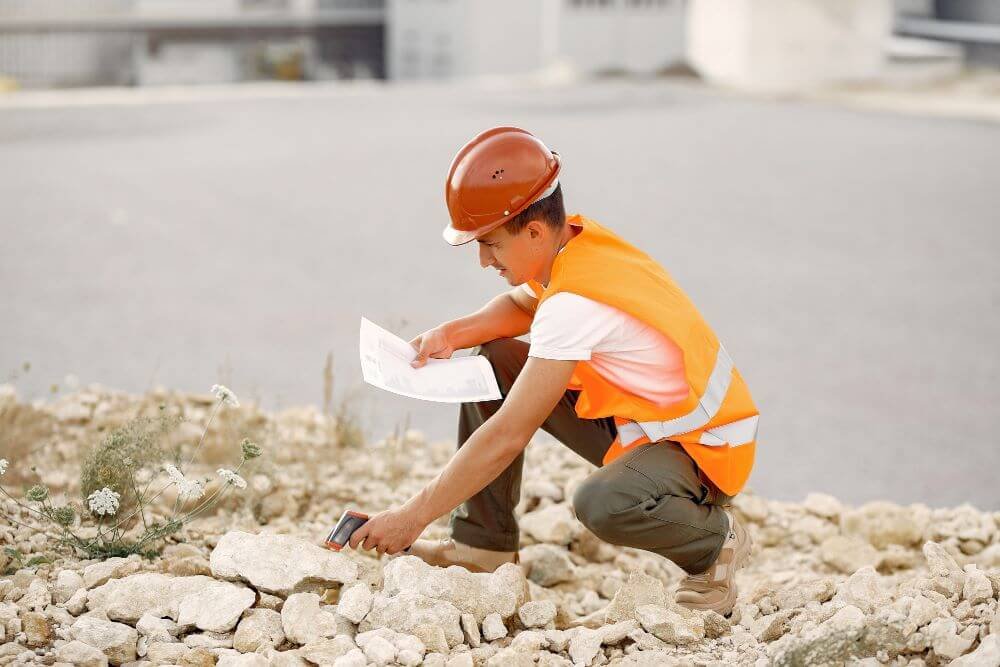
Specifically for construction and infrastructure works, soil condition is an important factor. Engineers have to deal with the convoluted ground most often. That being said, completing a project successfully is still possible with the right tactics. Familiarity with these strategies can support professionals in having the necessary skills to cope with specific demands that may arise and avoid major pitfalls.
Identifying Soil Properties
The site investigation is the basis of all construction work. The first step for engineers is to obtain soil samples and check the properties, such as composition, density, and moisture. These assessments reveal the potential for instability or drainage problems. Armed with this understanding, teams can select methods tailored to the site’s requirements. Investigating well prevents surprises and allows for a more informed laying out. With common soil stabilization mistakes, engineers gain insights into errors that affect durability, safety, and compliance.
Ground Improvement Techniques
Natural soil is not always strong enough for construction activities. Engineers employ ground improvement methods to enhance the bearing capacity and stability of the soil. Compaction enhances the density of materials, allowing for more support from soil. The action of forcing or pressing a material into the gap is called grouting. Soil stabilization is another method that involves using additives such as lime or cement to increase cohesion and lower compressibility.
Foundation Selection Strategies
Selecting the right foundation is important when working with challenging conditions. Shallow footings are suitable for stable soil near the surface. On the other hand, places that have weak or at least “looser” soils demand deep foundations. Piles extend deep into stable layers and transmit loads safely beneath troublesome zones. Caissons, large watertight structures that ensure proper depths, provide another solution for soft or waterlogged sites.
Drainage Solutions for Wet Sites
Soil instability and significant delay in construction are a few repercussions because of excess water inside soil. Drainage systems assist in tackling this issue. The builders will then install drainage systems to direct water away from foundations and work areas. Sumps paired with pumps will pump groundwater away from an excavation site. Surface grading: This process reshapes the earth to direct water away from sensitive areas.
Monitoring and Ongoing Assessment
Once a project is under way, conditions underground are subject to change. Teams can schedule regular checkups to identify changing moisture levels, settlement, or other movement. Piezometers and inclinometers give data on subsurface behavior as they happen. Early intervention makes corrections immediately so that more significant problems can be avoided later on. Regular monitoring and logs help keep everything on schedule and reduce the risk that safety specifications are not being met.
Addressing Expansive and Collapsible Soils
Special challenges exist with soils that expand and contract with moisture changes. Improper handling of expansive clay, for instance, can result in cracking or distortion of structures. Engineers typically make the choice to have flexible foundations that allow for this movement or use moisture barriers to minimize the changes. Collapsible soils are soils that lose their strength when they get wet and it is recommended to either pre-wet or compact such soils to minimize the risk.
Environmental Considerations in Soil Engineering
The construction industry is shifting toward sustainable practices. This makes ground improvement using recycled materials a waste-reducing and sustainable solution. By minimizing disturbance to natural soil layers, local ecosystems are protected, and sustainable construction practices that prevent runoff and sedimentation safeguard water quality. Deliberate design, prioritizing engineering principles without losing sight of environmental stewardship and the interests of the local community, supports progress on both fronts.
Collaboration and Communication
All parts of the team need to have effective collaboration, especially when automating engineering challenges. Direct communication among geotechnicians, designers, and contractors facilitates a shared understanding of site conditions. When information is shared, it makes coordinated decision-making easy and also ensures that problems don’t take long to be resolved. Having a frequent meeting lets everybody know how things are going and if we need to change anything.
Conclusion
Challenging subsurface conditions require consideration and engineering strategies in advance. Careful investigation, ground improvement, and foundation selection lay the groundwork for success! Drainage, monitoring, and adjustment keep the projects safe from surprises. Sustainable practices and a strong sense of teamwork further bolster positive outcomes.


