

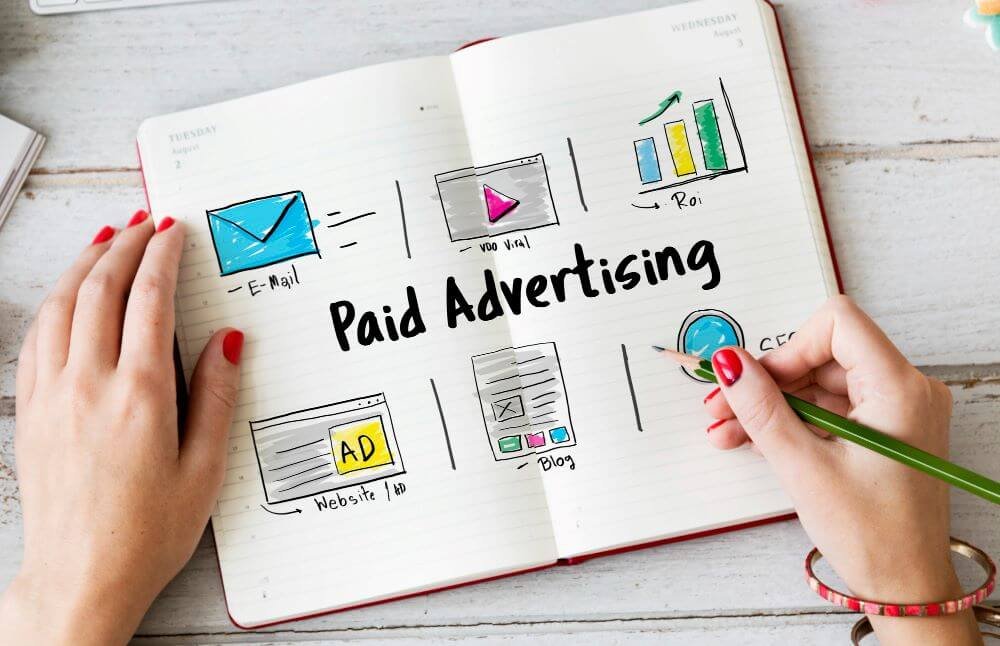
Paid advertising can work wonders for driving fast results—especially when launching a new product or testing a market. But over time, many ecommerce businesses hit a wall. Click costs rise, conversions plateau, and it becomes harder to sustain profit margins with ad spend alone. If you’ve noticed that your returns are stagnating or your customer acquisition costs keep increasing, it might be time to rethink your broader marketing mix.
This guide explores smart strategies for when paid ads aren’t enough—covering how to diversify your traffic sources, build lasting online visibility, and strengthen customer trust through organic methods that complement paid campaigns.
The Limits of Paid Advertising
Pay-per-click ads (PPC) and social media promotions are excellent for short-term visibility. They give immediate feedback and help test campaigns rapidly. However, their performance is rarely consistent.
Here’s why relying solely on paid ads eventually backfires:
- Cost inflation: Platforms like Google and Meta continually adjust algorithms and bid dynamics, often raising the cost per click.
- Ad blindness: Customers learn to tune out repetitive paid messages, reducing engagement.
- Limited brand recall: Once the ads stop, visibility vanishes almost instantly.
- Margin compression: Every sale requires ad spend, eating into profits over time.
When your dependency on ads grows, each campaign becomes more expensive and less efficient. To stabilize your growth, you need channels that build compounding value rather than constant cost.
Building Long-Term Visibility Through Organic Strategies
When paid ads start losing steam, organic strategies help balance traffic sources and lower customer acquisition costs. Combined with paid channels, they create a more resilient marketing foundation.
- Search Engine Optimization (SEO)
- SEO is the strongest long-term complement to paid media. It helps your pages rank for keywords your customers search repeatedly, bringing in free, consistent traffic. Unlike ads, which reset when paused, SEO gains compound over time—especially when focusing on product guides, category pages, and informational content that reflects user intent.
- Content Marketing and Storytelling
- Create valuable articles, buying guides, or behind-the-scenes stories that connect emotionally and inform potential customers. This kind of content positions your brand as an expert rather than a seller and earns repeat visits.
- Email and SMS Marketing
- Retaining existing customers through targeted nurture campaigns is far more cost-effective than chasing cold leads. Automation workflows keep customers engaged between purchases, improving repeat sales without extra ad costs.
- Affiliate and Partnership Marketing
- Collaborating with influencers, micro-publishers, or review blogs allows your products to appear in diverse contexts—expanding reach while offloading some risk to commission-based performance models.
- Social Proof and User-Generated Content
- Encourage customers to share reviews or photos showcasing your products in real life. Authenticity supports conversions and feeds into other organic channels, such as SEO and social engagement.
Balancing Paid and Organic Growth
The best ecommerce strategies combine both paid advertising and organic growth rather than abandoning one for the other. Paid ads are still valuable—but they should serve a different purpose as your marketing matures.
Think of ads as a booster, not your foundation. Use them strategically:
- To test new offers or audiences before scaling them organically.
- To retarget past visitors while SEO builds gradual traffic.
- To promote time-sensitive campaigns or product launches.
Meanwhile, organic efforts like content and SEO serve as the anchor, providing consistent website traffic and sales even when ad budgets fluctuate. Once your organic traffic grows, your paid marketing can focus on profitability rather than mere visibility.
When to Reevaluate Your Marketing Mix
Recognizing that paid ads aren’t producing sustainable results doesn’t mean giving up; it means optimizing smarter. Key signs that your business is ready to diversify include:
- Your cost per acquisition (CPA) has increased steadily over the past three months.
- Traffic and sales dip when campaigns pause.
- You lack multiple touchpoints beyond ad platforms.
- Your repeat purchase rate remains low despite strong traffic.
When these patterns emerge, it’s time to explore channels that attract high-intent visitors at lower incremental cost—particularly SEO and content marketing. Learning how to know if SEO is a good fit for your ecommerce business starts with assessing whether your site can scale organically while maintaining conversion efficiency.
Using Data to Guide Your Next Steps
Transitioning from an ad-heavy model to a balanced marketing approach requires data-driven evaluation. Start by analyzing:
- Customer lifetime value (LTV) – Compare what you spend on acquiring customers via ads versus how much they spend across multiple orders.
- Organic vs. paid conversion rates – Assess whether organic channels yield higher-quality buyers who interact more with your brand.
- Bounce rates and dwell times – Pages that retain visitors longer often align closely with organic search intent, signaling opportunities for SEO optimization.
Combine these metrics with customer insights from your analytics tool or CRM to refine messaging and adjust budget allocation.
Turning Short-Term Wins into Sustainable Growth
The ultimate goal is not to abandon paid ads but to evolve beyond dependency. Once organic visibility takes root, you can shift ad budgets toward growth tactics like remarketing, loyalty programs, or expanding into new product verticals.
Paid and organic channels complement each other beautifully when aligned by data, tone, and timing. An ad may capture immediate attention, but genuine loyalty forms through valuable, consistent, and non-transactional engagement—qualities organic marketing delivers best.
Investing in organic channels doesn’t just save money; it stabilizes revenue and makes your brand discoverable in more meaningful ways. Customers trust businesses that show up authentically in search results, not just sponsored spots.
When paid ads stop delivering enough growth, it’s not a setback—it’s a signal to expand. By integrating SEO, content marketing, and retention-focused strategies, your ecommerce store can shift from costly dependency to sustainable visibility. Ads will always play a role, but they work best when paired with strong foundations built through organic trust and search authority.
Think of this transition as investing in long-term digital equity. Once your organic reach begins compounding, every ad dollar you spend performs better—turning marketing from a treadmill into a flywheel that powers lasting ecommerce success.



