

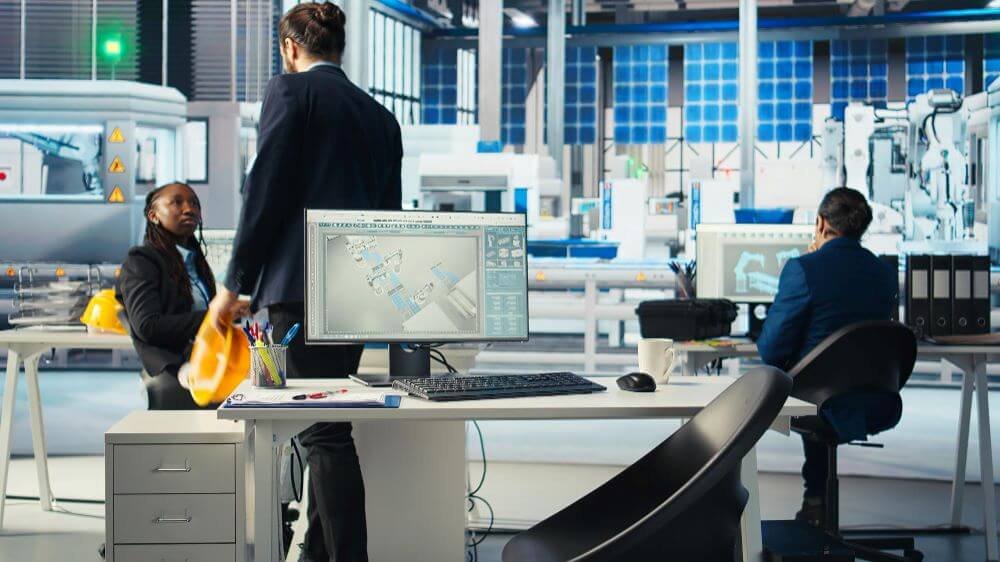
Modern workspaces (or workplaces) are changing our daily operations. Smart technologies have automated most of the tasks that humans used to do. Based on the principles of interconnectedness, cloud-based systems, and artificial intelligence, zero-touch facilities require little to no manual intervention. This kind of shift backs efficiency and adds to the comfort of working in the building. Zero-touch facilities went from being a futuristic concept to a viable solution for enterprises of any size in no time.
Smart Workplace Fundamentals
A smart workplace utilizes advanced sensors and automated control systems. This allows the lighting, heating, cooling, and security to self-adjust with real-time data. Occupancy sensors track human motion, automatically turning lights on or off based on activity without requiring any physical switches. Their temperature controls can quickly adjust when conditions change, providing for steady comfort all day long. Such systems collect data to optimize performance and reduce power consumption.
Automated Security Features
In smart workplaces, safety takes center stage. Automated access controls allow the right people entry while keeping everyone else out. And facial recognition technology paired with mobile credentials helps to eliminate badges or keys. Along with analytics software, security cameras work like a perfect match to quickly identify potential risks. Facility managers can receive alerts in real-time, enhancing response time and safety. That hands-off approach makes fewer mistakes and creates a stronger safeguard for employees and assets.
Energy Management and Sustainability
Zero-touch facilities are energy efficient by design. Smart meters and connected controls watch how much electricity, water, and gas they consume. By making adjustments in real time, costs decrease while the impact on the environment is reduced. Automated shades and lighting work with natural sunlight rather than against it. Facilities can find the patterns of energy and discover the ways to save more. This makes them budget-friendly while also being green.
Space Utilization and Occupancy Insights
Smart building management systems gain insight into space utilization across the facility. Sensors that track other kinds of occupancy also provide some insight into when peak occupancy levels occur and other patterns. Information that allows managers to rearrange their workspace and plan cleaning/maintenance, ensuring a more efficient process. This makes it easy to book meeting rooms and reduces conflicts and waste of resources. Flexible layouts can be set up to change according to usage trends and to accommodate hybrid work situations.
Predictive Maintenance and Equipment Monitoring
Predictive maintenance approaches are used in zero-touch environments to maintain equipment and avoid any kind of breakdown. Sensors are used to monitor performance and anomalies within systems that are deemed critical to production. Alerts are triggered before breakdowns when potential issues arise, giving maintenance teams the needed time to react. It decreases unplanned downtime and increases the lifespan of prized assets. It lowers costs and increases the reliability of the facility as a whole with more accurate maintenance schedules.
Health and Convenience-Driven Contactless Services
Over the last few years, the demand for contactless solutions has increased dramatically. Smart workplaces provide automated check-in systems, voice-activated elevators, and even hands-free restrooms. These adhere to health protocols and bring convenience for all users. With digital signage, you can have regular updates of the meeting spaces or cleaning schedules. Providing less contact with shared surfaces is beneficial for ensuring the health and safety of employees and visitors alike.
Centralized Control and Integration
Central management platforms unify all the automated systems. From a single dashboard, facility managers can oversee and adjust lighting, climate, access, and security. Information is easy to access and share. A system’s function, integration, makes information easily accessible and highly shareable. You can create automation rules based on normal business hours, special events, or emergencies. Such a centralized method also saves time and helps respond quickly to the dynamic requirements.
Employee Experience and Productivity
Automation creates a comfortable and productive environment. Workspace personalization enables others to change the light or temperature settings. Intelligent scheduling tools assist workers in identifying free meeting rooms or quiet spots where they may work undisturbed. Less distraction due to manual adjustments or maintenance stops enables greater productivity. The result leads to an overall better satisfaction level & improved morale of people using the facility.
Conclusion
Zero-touch facilities are a radical shift in the way the workplace functions. It brings efficiency, comfort, and safety in building operations. Investing in smart technologies helps organizations cut costs, promote sustainability, and provide an environmentally adaptable way of working. With many businesses looking for ways to stay competitive and adaptable to the modern time, the zero-touch approach is a great solution. The future of facility management is not only automated but also user-centered, as these systems strive towards bettering overall intelligence.



