

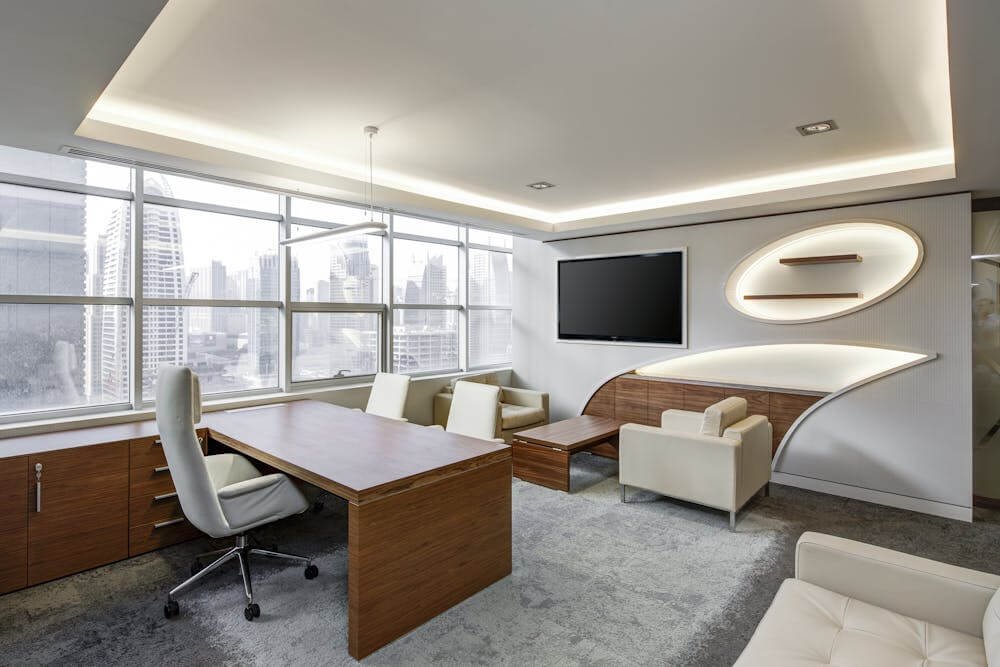
Creating a workspace that supports comfort, efficiency, and wellbeing starts with choosing the right Office Furniture Store. Whether you work from home, run a small business, or manage a large corporate environment, the furniture you select can influence productivity, focus, and even long term health.
With so many styles, materials, and configurations available today, it can feel overwhelming to decide what to invest in. This guide breaks down the essential pieces, key considerations, and smart tips to help you build a functional workspace that truly works for you.
Assessing Your Workspace Needs
Before browsing options, it helps to understand what your workspace requires and how it will be used.
Identify your daily tasks
Make a quick list of your core activities such as computer work, meetings, creative tasks, or physical paperwork. This helps you prioritise what furniture supports those tasks best.
Measure your available space
Knowing your exact dimensions prevents wasted time and avoids buying pieces that are too large or too small for the room.
Consider future changes
Think about how your workload or team might grow. Flexible choices like modular desks or expandable storage allow your workspace to evolve without needing a full redesign.
The Essential Office Furniture Pieces to Consider
1. Desks that support your workflow
Different tasks require different desk styles. A spacious workstation suits multi monitor setups, while compact desks fit well in small home offices. Height adjustable desks are helpful if you want the option to alternate between sitting and standing. Look for a surface that is durable, easy to clean, and large enough for all your essential equipment.
2. Ergonomic office chairs
Your chair is one of the most important purchases because it affects posture, comfort, and long term health. Look for a chair with lumbar support, adjustable height, and breathable materials. Test how well it supports your lower back and whether the seat depth and armrests can be adjusted to your comfort.
3. Storage that keeps things organised
Clutter affects productivity, so having the right storage solutions is key. Filing cabinets, mobile pedestals, desk organisers, bookshelves, and storage cupboards help keep everything sorted. Choose storage that suits your workflow rather than forcing your habits to match the furniture.
4. Meeting and collaboration furniture
If your space is used for teamwork or client meetings, consider round tables, conference tables, or modular meeting furniture. Comfortable seating encourages better interaction and longer discussions without discomfort.
5. Reception and waiting area pieces
For businesses with visitors, the reception area sets the tone. Choose couches, coffee tables, or seating that reflects your brand personality and ensures comfort for guests.
6. Accessories that elevate your workspace
Monitor risers, keyboard trays, acoustic panels, and desk lamps may seem small but can make a big difference. These additions improve ergonomics, reduce strain, and enhance focus.
How to Select the Best Furniture for Comfort and Productivity
Prioritise ergonomics
Ergonomic furniture helps reduce fatigue and physical strain. Adjustability is key. Look for chairs and desks that allow customisation so each user can work comfortably.
Focus on quality materials
High quality furniture usually lasts longer and offers better support. Materials like solid timber, strong steel frames, and well cushioned seating provide durability and comfort over time.
Balance design with functionality
A beautiful workspace feels inspiring, but function should always come first. Select pieces that match your preferred aesthetic while still supporting everyday work needs.
Think about mobility and flexibility
Mobile pedestals, folding tables, or lightweight chairs make it easy to rearrange your workspace for different tasks or meetings. Flexibility helps you adapt quickly without needing major furniture changes.
Choose furniture that improves airflow and lighting
Consider how furniture placement affects natural light and air movement. A well lit, well ventilated space helps reduce fatigue and supports better focus throughout the day.
Tips for Setting Up a Productive Workspace
Keep your layout simple
Avoid overcrowding. Leave space for movement to keep the environment comfortable and open.
Invest in cable management
Messy cables cause stress and distractions. Cable trays or clips help keep everything tidy.
Create zones for different tasks
You might have a focused work zone, a meeting area, and a space for breaks. This helps mentally separate tasks and boost productivity.
Add a personal touch
Small items like plants, artwork, or photos make the space feel welcoming and motivate you during long workdays.
Conclusion
Choosing the right office furniture goes beyond picking a desk and chair. It involves understanding your needs, selecting pieces that support productivity, and creating a layout that makes work more comfortable and enjoyable. By combining ergonomics, smart storage, thoughtful design, and quality materials, you can build a workspace that encourages focus and wellbeing. A well designed office is not only functional but also energising, helping you perform at your best every day.



